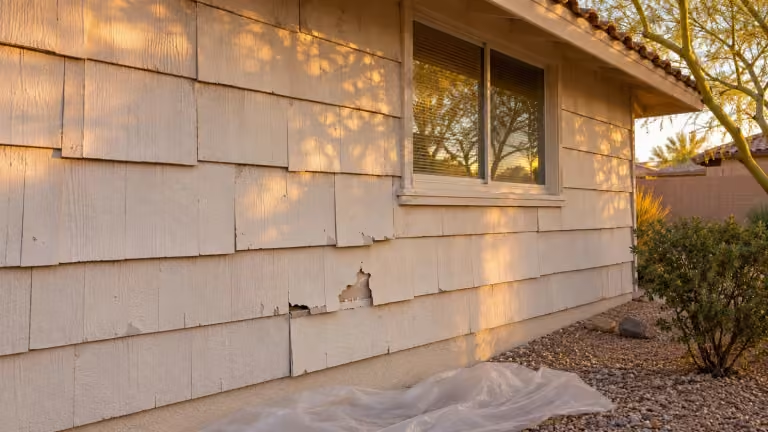
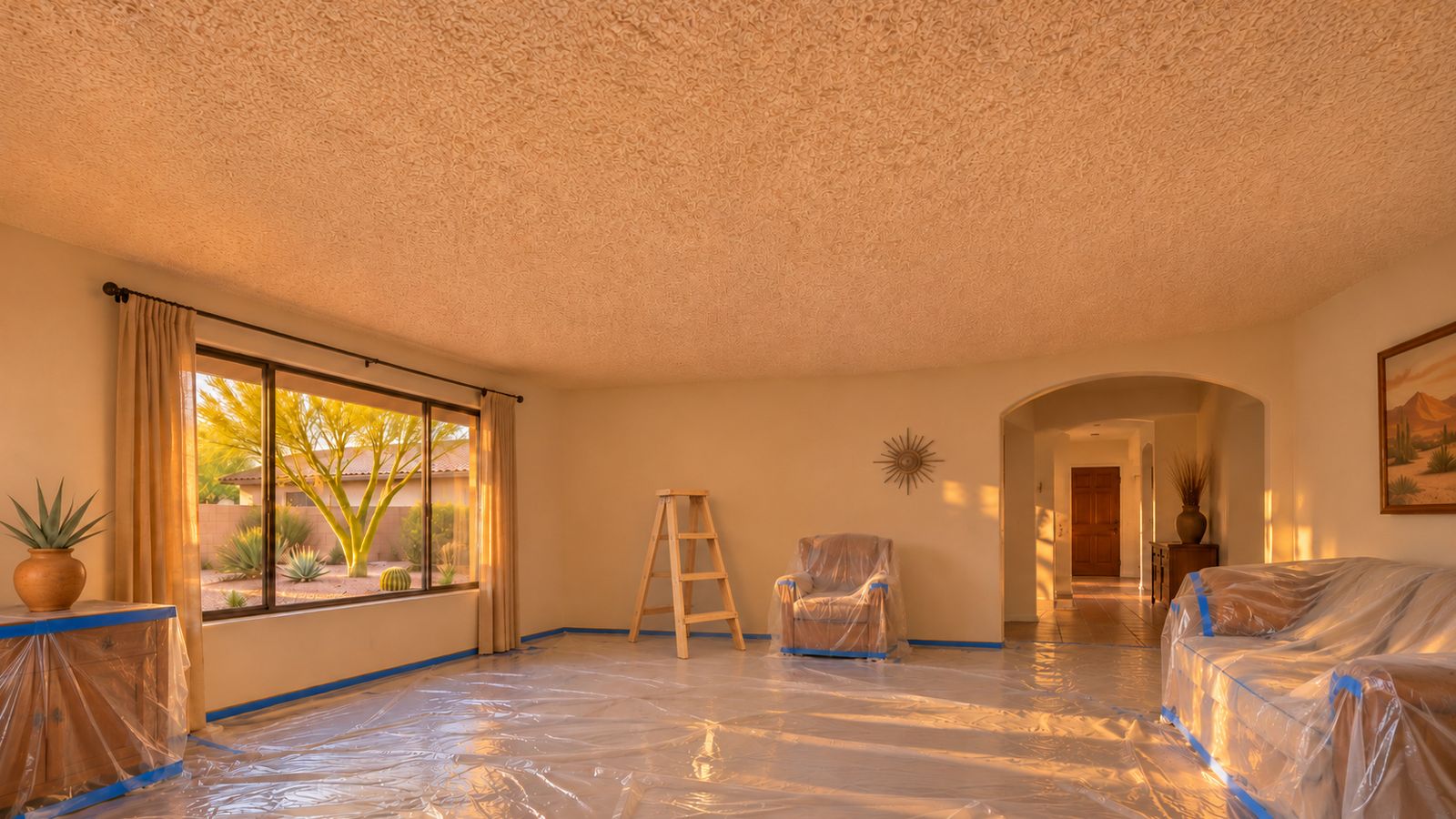
Few remodel projects in Mesa start faster than scraping a popcorn ceiling. Spray it with water, scrape it with a putty knife, and the room looks ten years newer. It is also one of the easiest ways to release asbestos into your home, because many popcorn ceilings in the East Valley were sprayed when asbestos was still in the mix.
Before anyone scrapes, here is what we tell Mesa homeowners.
Which Mesa homes are likely to have it
Popcorn ceilings, also called acoustic or cottage cheese ceilings, were sprayed on through the 1960s, ’70s and into the ’80s. Many of those mixes contained chrysotile asbestos.
EPA banned spray-applied asbestos surfacing materials in 1978, but existing stock could still be used after the ban. That means homes built or remodeled into the early to mid-1980s can still have it.
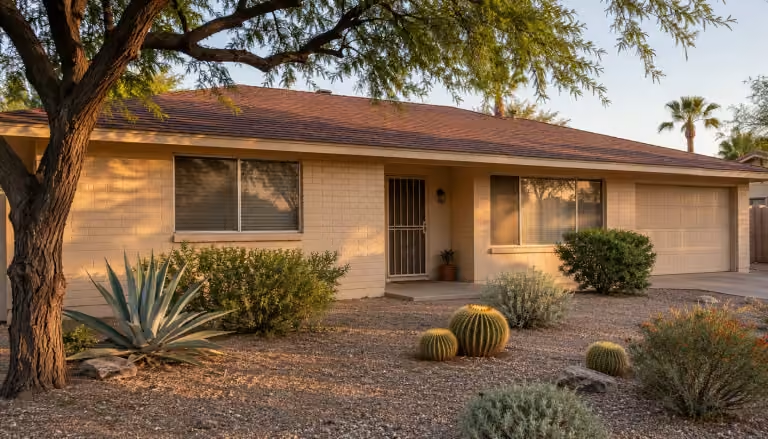
Mesa grew fast in exactly that window. Neighborhoods across west and central Mesa, and plenty of homes in Chandler, Tempe and Gilbert, were built during those years. If your home was built before the mid-1980s and the ceiling is original, assume it could contain asbestos until a lab says otherwise.
You cannot tell by looking
Asbestos texture and asbestos-free texture look the same. The only way to know is to have a small sample analyzed by an accredited lab, usually with polarized light microscopy. Results typically come back in a few days.
An inspector takes the sample by misting a small spot, cutting out a piece, and sealing the spot afterward. Doing it yourself means disturbing the very material you are worried about, so if you suspect asbestos, let a trained inspector take it.
Intact is not the problem. Scraping is.
An intact, painted popcorn ceiling that is not crumbling or water-damaged is low risk while it stays that way. The risk comes when the material is disturbed: scraping, sanding, drilling for a new light fixture or ceiling fan, or tearing it out after a leak.
Popcorn texture is friable, which means it crumbles easily into dust. Once asbestos fibers are in the air, they settle on floors, furniture and inside the HVAC system, and they can stay there long after the job is done.
What the rules say in Maricopa County
In Maricopa County, asbestos in renovation and demolition is regulated by the Maricopa County Air Quality Department. Its Rule 370 builds on the federal asbestos NESHAP rules and adds local requirements. For regulated projects, that means an inspection by an AHERA-accredited inspector, a notification filed with the county at least 10 working days before work starts, a fee, and specific work practices for removal and disposal.
The rules depend on what kind of building it is. Rule 370 does not apply its asbestos NESHAP requirements to a single owner-occupied, solely residential parcel with four or fewer detached dwelling units. Rentals, buildings with five or more units, multi-building condo complexes, and homes ever used for a business can be covered. Because the details matter, check with the county’s asbestos program before starting a removal project.
One East Valley wrinkle: San Tan Valley and parts of Queen Creek are in Pinal County, which has its own air quality agency. Check with the right county for your address.
You can also read our broader guide to asbestos in older Arizona homes.
Your options if the test comes back positive
- Leave it alone. If it is intact and you are not remodeling, it can stay. Do not drill, scrape or sand it.
- Encapsulate it. A coat of paint or encapsulant helps hold the texture together. Spraying is gentler than rolling.
- Cover it. New drywall can be installed over the existing ceiling, leaving the texture sealed in place.
- Have it removed. Professional abatement means sealing off the room under containment, wetting the texture, removing it, bagging it for legal disposal, and cleaning and air testing before the containment comes down.
If the test comes back negative, you can scrape it like any other texture project.
When a leak brings the ceiling down
Monsoon roof leaks and AC condensate overflows are common ways a popcorn ceiling gets soaked. Water stains it, it sags, and part of it may fall. Wet texture that has fallen on the floor still needs to be tested before cleanup, and a ceiling that has to be torn out after water damage needs testing before demolition. Our post on ceiling stains after a Mesa monsoon covers when a stain becomes a collapse risk.
Test before you scrape
Based in Mesa, EA Restoration handles asbestos testing and abatement across Mesa and the East Valley, along with the water and fire damage that often brings asbestos to the surface. You can see how we handle removal on our asbestos removal page. Call EA Restoration at (480) 636-6619 before anyone starts scraping.
Popcorn Ceiling Asbestos FAQs
My Mesa house was built in 1984. Could the popcorn ceiling have asbestos?
It could. EPA banned spray-applied asbestos surfacing in 1978, but existing stock could still be used, so ceilings sprayed into the mid-1980s can contain it. A lab test is the only way to know.
Is it safe to live under a popcorn ceiling that has asbestos?
If it is intact, painted and not water-damaged, the risk is low while it is left alone. The danger comes from scraping, sanding, drilling or tearing it out, which releases fibers into the air.
Can I scrape it myself?
Not until you know whether it contains asbestos. If it tests positive, professional removal under containment is the safe route, and Maricopa County’s rules can apply depending on the type of building. Check with the county before starting.
Does homeowners insurance cover asbestos removal?
Usually not on its own. If a covered loss, like a sudden water leak, damages the ceiling and it has to come out, abatement may be part of that claim. It depends on your policy.
How long does popcorn ceiling testing take?
Taking the sample takes a few minutes per area. Lab results usually come back within a few days.